
Building a Fire-Resistant Home in a Fire-Prone Area
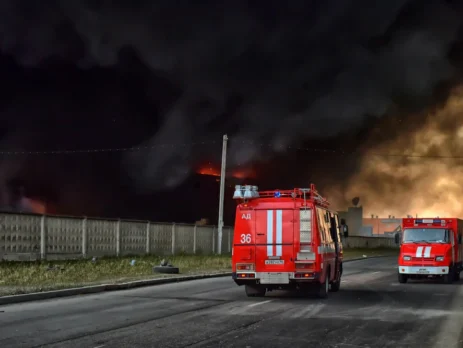
It wasn’t that long ago that the Palisades Fires and the Eaton Fires roared through parts of Southern California, causing devastation across acres of land and countless homes. The world watched helplessly as emergency workers fought with all their might and still struggled to combat the flames.
That moment, though difficult to endure, has sparked many useful conversations about how to make homes more fire-resistant and prevent these natural disasters from destroying lives. Rather than wait for the next round of wildfires, we can be proactive about protecting our homes and neighborhoods, especially in areas where wildfires are more common. This can include steps such as starting construction with fire-resistant building materials or simpler options like clearing brush from under your deck.
Fire spreads fast, so fireproofing now is a must. We’ll walk you through the different ways you can make your home more fireproof, whether you’re still in the planning phase of building your new home or need to retrofit what you already have. Home hardening (increasing your home’s resistance to ignition from fire exposure, radiant heat, and embers) is certainly achievable with a little help.
Fire-Resistant Building from the Ground Up
If you’re building your home from the ground up, you’re probably already in the planning weeds. You might have all the knowledge about building codes and zoning requirements, but have you considered ignition-resistant codes? If not, talk to your local fire marshal and get specific advice for your area and project.
Your project plan should map the site slope, access points, and even vegetation plans so that you can achieve maximum fire resistance.
Defensible Space and Extended Zones
If you talk with the fire marshal, you will quickly learn about defensible spaces and splitting your property into zones. You can take these action steps whether you’re in the construction phase of home-building or whether you’ve been living there for ten years already.
There are three zones to consider if you want a fire-resistant house.
Zone 1 (0-5 Feet)
Zone 1 is the closest to your home, and therefore the most vital. Remove flammable materials such as firewood and debris, and build a barrier around your home. Ideally, you should use materials such as gravel and/or stone for patios and walkways. If you want plants nearby, choose low-growing ground covers and fire-resistant plants like succulents.
Zone 2 (5-30 Feet)
This zone is where you can plant your trees and shrubs. Still, fire-resistant native plants are the best option to keep flames from raging close to your home. Consider spacing out your plants and keep all tree branches trimmed away from Zone 1. Remove all dead vegetation and branches to avoid giving any potential fires free fuel.
Zone 3 (30-100 Feet)
In Zone 3, you can plant all your large trees and vegetation. Keep in mind, it’s important to keep them spaced out and regularly remove all dead plants and limbs. It’s also wise to create firebreaks by removing dense underbrush rather than letting it accumulate.
Also, if you want to go the extra mile, you can choose to install a concrete perimeter wall in place of a wooden fence around your property. It’s a bigger investment, but it offers the highest level of protection available for properties in high-risk zones
Ember-Resistant Vents and Ventilation
Access points in your home that might not come into direct flame contact, such as attic vents, are places where burning embers and flames can sneak in and ignite combustible materials inside your home. This risk includes any vents or openings that are larger than an eighth of an inch.
Your best bet is to install corrosion-resistant metal mesh over these vents. It needs to be metal because fiberglass, though technically non-combustible, can still melt and weaken your protective measures. Be aware that these fire-protection modifications can sometimes reduce airflow and ventilation, both of which are important for attics and crawlspaces.
Fire-Resistant Siding
Most homeowners already think carefully about fire-resistant roofing. Siding deserves that same level of consideration, since it covers far more of your home’s exterior. If your siding is combustible, that opens up the interior layers of your home to intense heat. It’s not common for home interiors to have adequate fire ratings, so it’s important that the exterior does all it can to protect against the heat.
Common options include stucco, brick, and metal siding, but we would like to take a moment to tell you about the best fire-resistant option on the market.
Concrete log siding is all the beauty of a log cabin with none of the drawbacks. Unlike real wood logs, concrete doesn’t chip, crack, warp, or fade. It looks like the real thing, giving you a cozy log cabin in the middle of the woods, but with virtually no maintenance. The patterns we offer are taken directly from nature, meaning each grain reflects the trees around you with realistic warmth. Beyond that, concrete is incredibly fire-resistant. At ClearCreek Siding, it comes with a Class 1/A Fire Rating, which is as good as building materials get.
This siding is really a lifetime investment for your home and property. Whether you’re choosing for the first time or upgrading your old siding, it’s well worth it. The endurance, quality, and beauty are unmatched, and the peace of mind it provides can’t be replaced. If you’re hesitant, you can always fill out our free sample form to receive a real sample at no cost. You can hold it, feel the realistic wood grain, and set it up against your house to see it in real life before committing to anything.
Don’t get our product confused with fiber cement siding. Fiber cement siding can contain up to 80% non-concrete materials, which can absorb moisture and cause all kinds of problems. When we say that this siding is concrete, we mean it.
Ignition-Resistant Windows and Exterior Doors
Windows and exterior doors are weak spots in a home. Glass can shatter under intense heat, allowing embers and flames to drift inside, where ignition-resistant materials aren’t as common.
Consider choosing tempered glass windows. Tempered glass can withstand much higher temperatures than standard glass. There are also options available for fire-rated windows, which often come in multiple layers with fire-resistant materials between. You can also add metal shutters or fire-resistant screens as another layer of protection.
When it comes to your doors, choosing metal or other fire-resistant materials in place of wood will matter a lot. Also, make sure your exterior doors are properly sealed. Gaps can let heat and embers into your home, which is exactly what we’re trying to prevent.
Putting It All Together
We understand that fire can be intimidating, especially when you start having words such as “radiant heat exposure” and “ember-resistant zone” thrown your way. In the end, make the best choices you can. If you can build fire-resistant construction into your plans, do it. If you can consult with the state fire marshal and implement advanced options, go for it.
