What Is Chinking for Log Homes
Log homes are known for their rustic charm, which appeals to so many. You may not have recognized it, but the log walls are made up of more than just logs. The stuff that goes between the logs is, perhaps, just as important as the wood that you choose.
Chinking plays a crucial role in many log buildings when it comes to weatherproofing a space. It can be purely decorative, but it’s usually chosen in the log home industry for reasons beyond that.
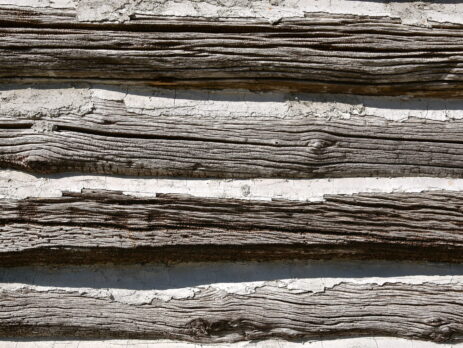
Chinking is a kind of material that is coarse and sanded. The goal is to look like the old-fashioned mortar concoction that was made out of hay, mud, and stone. This material crumbled and tore the logs apart as it aged, but thankfully, we’ve made some progress in that area. Modern chinking looks similar, so that you can maintain that traditional log look that history coined so well without enduring the crumbling. There are different colors meant to complement different woods, which allows you to fill gaps and be stylish at the same time.
Why to Chink a Log Cabin
Perhaps the biggest advantage of chinking a log home is that it helps keep out bugs. That’s arguable, since some homeowners worry more about moisture, but chinking helps with that, too. The point is that there is a lot of space between wooden logs, even when they’re properly installed. This space has to be filled with something, or your wooden home won’t last very long.
A properly done chinking job will result in the perfect match between beauty and efficiency. Let’s take a closer look at some of the benefits that a good chinking can provide.
Protects Your Home From Air Leaks
Air leaks break any kind of energy seal that you might hope to have on your home. Without chinking, the heating and cooling costs of your log home will be extreme. Very few people actually want the outside and inside temperatures to be the same.
If you prevent air from escaping, your HVAC system will be able to keep up. This doesn’t just keep you comfortable; it keeps your bills in check.
Keeps Water Out, Preventing Rot
Next to bugs, moisture is the biggest pest that log home owners face. Chinking creates a barrier that protects against snow, rain, and any humidity from getting into the caps and rotting the wood. Dry logs last much longer than wet wood, and they don’t encourage bugs, pests, mold, and warping. Preventing moisture can add many years of life to your wood siding.
Helps Prevent Insects and Pests
Rot isn’t the only time bugs and pests feel invited to enjoy your wood siding. The fact is that wood is wood, and small creatures and bugs naturally make their homes in this material. To them, your home looks no different than the tree down the street. Chinking is what it takes to cover those exposed entryways and make your home unappealing to uninvited guests.
When To Re-Chink Log Homes
It’s important to keep an eye on your chinking so that it doesn’t get out of hand. If you let small issues go, they can turn into complete disasters that cause you much more time and stress than they would have ifwood siding they had been handled right away. Even at that, however, chinking has to be redone
Pulling Away From the Logs
If your chinking isn’t staying bonded to both of the logs that it’s touching, that’s when you know it’s time to change something. Pealing, separating, and gapping are all signs that a replacement is necessary.
Cracking
Obviously, cracking is an obvious sign that the material is drying. This is because it’s losing its flexibility, and the seal is weakening, allowing air and moisture to wiggle their way in and create much larger problems.
Visible Gaps
Even if the chinking isn’t cracking or pulling away from the logs, gaps still happen. This leads to (you guessed it) air and moisture that can eventually lead to a full replacement job if it isn’t handled right away.
Interior Temperature Fluctuation
If your house’s temperature is constantly fluctuating, it might have something to do with your chinking getting worn out. It isn’t always the chinking, but it’s worth considering, especially if you know that your doors and windows are well-protected from the elements.
Signs of Water
Homeowners know that any signs of water are pretty much always bad signs. Soft spots, stains, and damp walls mean that something is wrong, and it’s worth checking your chinking to see if it’s in need of some attention. Chinking might not be the only problem, but that inspection is an easy first step to take.
Drafts or Musty Smells
Thankfully, you have more than just your eyes to tell you if your chinking is providing you with adequate protection. A noticeable breeze or musty, damp odors in your home could very well point to failing chiniking.
Chinking vs Caulking for Log Buildings
Both chinking and caulking protect log homes from moisture, decay, and pests, but they are slightly different. It’s common for people to get them mixed up, but what’s clear is that this step, whichever route you take, is perhaps the most important one you can take when it comes to having a traditional log home that lasts.
The two main differences between chinking and caulking are texture and elasticity. Calking is stretchier, but has no texture. Chinking has plenty of texture, but doesn’t stretch as far. Both chinking and caulking have options for custom colors, but it’s more common for chinking to come in a diverse and easily-accessible range.
Options That Don’t Require Chinking
Chinking isn’t always the best option for every homeowner. Some cons include the tendency to allow moisture and rot, as we’ve already covered. It also requires a lot more maintenance than other options. Even with skillful application, customers who choose chinking sometimes find themselves interested in other options with similar features but less work. Luckily, we have the perfect solutions.
Concrete log siding isn’t prone to any of the issues we already discussed. It’s made of concrete, but it has the appearance of natural wood. It gives you the character, charm, and iconic appeal of wood without inviting pests, rotting from moisture, or warping at the joints. It is the perfect blend of nature and modern ingenuity.
Quality concrete log siding can last upwards of fifty years if it’s cared for properly. Even at that, the amount of maintenance that’s required for this siding is less than you might think. Wash it when it gets dirty (top to bottom with warm, soapy water), and reseal it every couple of decades. Other than that… concrete doesn’t require much from its owners. This is, truly, the perfect combination of the beauty that nature provides every single day, and modern science that has taught us how to make the most with what we’ve been given. With wood grains taken straight from live trees, the only way your neighbors will know this siding isn’t real wood is when it’s still perfect-looking forty years from now.
Give us a call today Clear Creek Siding to learn more about this exceptional approach to traditional beauty.
